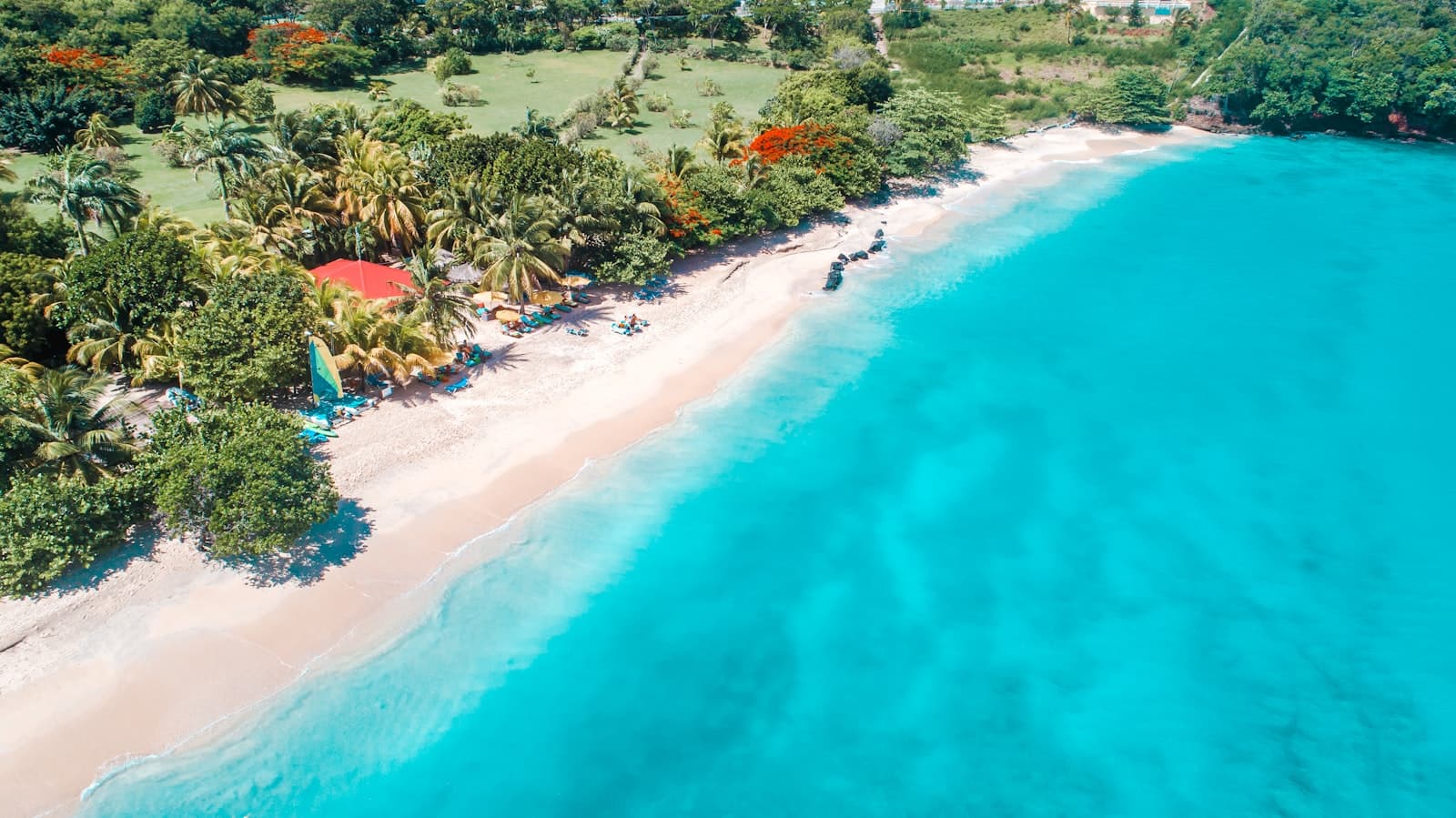
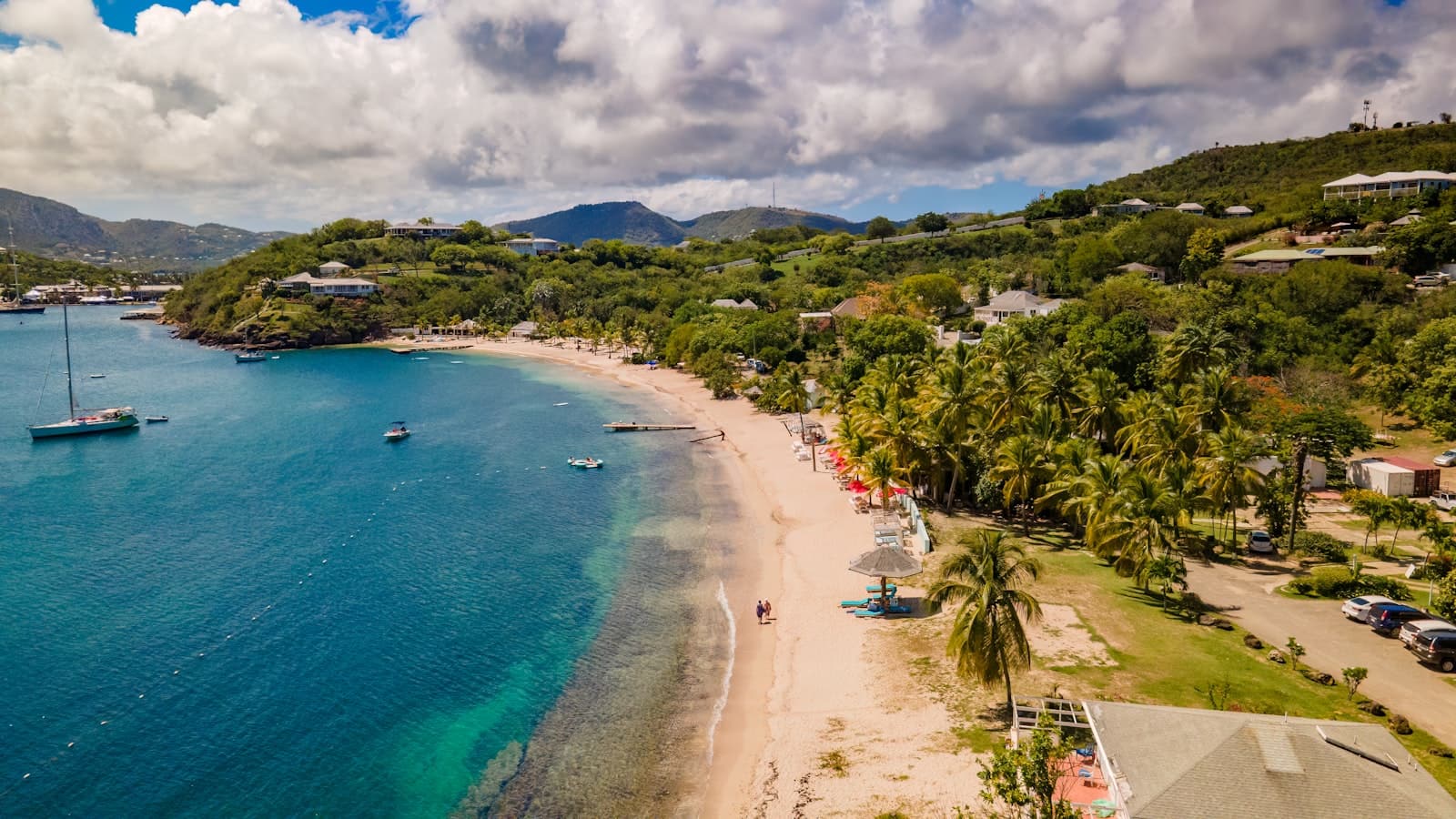
Saint Kitts and Nevis grants citizenship by investment, giving qualifying applicants a direct passport without a residence or physical-presence requirement. The country recognises dual citizenship and levies no personal income tax.
USD 250,000
Contribution floor
Sustainable Island State Contribution (Citizenship by Investment Unit)
0
Years to citizenship
Saint Kitts and Nevis citizenship by investment FAQs (Citizenship by Investment Unit)
None
Personal income tax
Saint Kitts and Nevis citizenship by investment FAQs (Citizenship by Investment Unit)
None
Residence required
Saint Kitts and Nevis citizenship by investment FAQs (Citizenship by Investment Unit)
About three minutes. Free matches, every figure cited to its source.
Citizenship comes by investment, with no residence or physical-presence requirement to obtain or keep it. Saint Kitts and Nevis permits dual citizenship, so the original nationality stays.
Sustainable Island State Contribution
Best for this
A non-refundable contribution to the state fund, the lowest-cost route to the passport.
Contribution
USD 250,000
Covers
Family of up to 4
Residence required
None
A note on this route
Citizenship is granted for life once approved.
Approved real estate investment
Also fits
An equity purchase in an approved development, held under the programme rules.
Approved development
USD 325,000
Private property
USD 600,000
Residence required
None
A note on this route
Two tiers exist: approved development from USD 325,000 and private property from USD 600,000.
Living in Saint Kitts and Nevis, and being taxed by Saint Kitts and Nevis
These are decided by different authorities, under different rules, on different clocks. The one people get wrong is the second.
Your right to live there
Sustainable Island State Contribution
Approved real estate investment
Granted by the immigration authority. Says nothing about tax.
What makes you a tax resident there
From the citizenship route
None. Citizenship is granted without a residence or physical-presence requirement, so it creates no tax residency by itself
Saint Kitts and Nevis citizenship by investment FAQs (Citizenship by Investment Unit)
What gets taxed
No personal income tax, wealth tax, or inheritance tax
Saint Kitts and Nevis citizenship by investment FAQs (Citizenship by Investment Unit)
There is no second clock here, and that is the point people get wrong in the other direction. The passport does not make you a tax resident, and it does not stop you being one somewhere else. Whatever country taxes you today keeps taxing you until you meet ITS rules for leaving, which this route does nothing to satisfy.
The numbers
US$250,000
The Sustainable Island State Contribution route starts at US$250,000 for a main applicant or a family of up to four.
Citizenship by Investment Unit
US$325,000
The approved-development real estate route requires a minimum investment of US$325,000.
Citizenship by Investment Unit
None
Citizenship carries no requirement to reside in Saint Kitts and Nevis to maintain it.
Citizenship by Investment Unit
For life
Citizenship obtained through the programme is granted for life.
Citizenship by Investment Unit
Quick eligibility read
No email needed
A generic read against Saint Kitts and Nevis's cited thresholds. Your plan weighs all six of your inputs against every destination.
The facts, each cited
Dual kept
Saint Kitts and Nevis fully recognises and permits dual citizenship, and applicants approved under the programme are not required to renounce their original nationality.
Citizenship by Investment Unit
For life
Citizenship obtained through the programme is granted for life, and there is no requirement to reside in Saint Kitts and Nevis to maintain it.
Citizenship by Investment Unit
US$250,000
The Sustainable Island State Contribution requires US$250,000 for a main applicant or a family of up to four members.
Citizenship by Investment Unit
US$325,000
The approved-development real estate route requires a minimum investment of US$325,000 in an approved development.
Citizenship by Investment Unit
US$600,000
The private real estate route requires the purchase of a private property for at least US$600,000.
Citizenship by Investment Unit
No income tax
Saint Kitts and Nevis has no personal income tax, wealth tax, or inheritance tax.
Citizenship by Investment Unit
What an expert actually does, and when
Moving to Saint Kitts and Nevis is four different jobs for four different people, and the order matters more than the choice of any one of them. Here is the sequence, what each person settles, and what to hold them to in writing.
First
A cross-border tax adviser in the country you are leaving
Before you sell anything, move your family, or claim to have left
What they settle
This is the one whose answer can make the rest of the plan pointless, so it is worth knowing before you spend anything on the rest. A residence permit somewhere else is not the same thing as having stopped being tax-resident where you are.
→Whether and when your tax residence at home actually ends
→Which ties (home, family, accounts, memberships, company control) have to be dealt with, and in what order
→What you owe on the way out, and what you can elect or defer
→Which transactions to complete before you go rather than after
Ask for it in writing. A written residence and departure-date memo, with the tax on leaving set out asset by asset, and a list of the evidence your position depends on.
Second
An immigration lawyer in the destination
Six to twelve months before you intend to move
What they settle
Routes look interchangeable from outside and are not. Which one you qualify for depends on evidence you may not have gathered yet, and gathering it is often the long pole.
→Which route your actual income, work history, and assets satisfy
→Which authority handles each stage, and whether your entry status has to change first
→What proof each requirement takes, and what is missing today
→How a partner and children are included, and when
Ask for it in writing. A route recommendation with the eligibility tested against your documents, plus a dated checklist of what is still missing.
Third
Document authentication and translation
Only after the lawyer has frozen the list
What they settle
Ordering apostilles and translations before the list is settled is the most common way to pay twice. Certified documents also expire, so starting early can be worse than starting late.
→Which authentication chain each document needs, in its issuing country
→What has to be translated, by whom, and to what standard
→The order to obtain things in, so nothing expires while waiting for something else
Ask for it in writing. Authenticated originals and accepted translations, tracked so you know where every document physically is.
Fourth
Local advisers where you land
Once your status is approved
What they settle
Approval is not the same as a working life. Banking, health cover, and a tenancy each have their own requirements, and several of them want the paperwork from the earlier stages.
→What banking will require of you, and what to prepare before you ask
→Which health cover satisfies the local requirement
→What a lease commits you to, and what your obligations are on registering it
→What you now have to file locally, and when
Ask for it in writing. A working household: identity documents, an address, cover, banking, and a calendar of what renews when.
Before you retain any of them
A licence is not the same as a good engagement. These are worth asking on the first call with anyone you find, in the Vetted Directory or outside it.
1Who is licensed, where, and who signs the advice?
2What exact written output will I receive, and by when?
3Which assumptions, if wrong, would reverse your recommendation?
4Who tracks deadlines and holds my original documents?
5What is excluded from the fee, including government charges?
OmniFlag is not a law firm or a tax adviser. Experts are retained independently and their engagement letter defines what they advise on, what they file, and what they deliver.
A note for US citizens and green-card holders. A second passport does not end US federal tax filing. US federal tax follows US citizens and green-card holders wherever they live, so a passport from Saint Kitts and Nevis does not reduce US federal tax, and OmniFlag makes no such claim.
What nobody puts on the Saint Kitts and Nevis brochure
A Saint Kitts and Nevis passport does not end US federal tax. US citizens and green-card holders keep filing and owing US federal tax wherever they live, and this second passport does not change that.
The entry cost is high, starting at USD 250,000 for the contribution route and rising to USD 600,000 for private real estate, so this route suits capital holders rather than income earners.
Processing times and due-diligence steps vary by application, so build review time into the timeline rather than assuming immediate issuance.
Indicator, not law · OmniFlag desk research, 2026
Common questions
Do I have to live in Saint Kitts and Nevis to keep citizenship?
No. Citizenship through the programme is granted for life, and there is no requirement to reside in the country to maintain it.
Saint Kitts and Nevis citizenship by investment FAQs (Citizenship by Investment Unit)
Can I keep my current citizenship?
Yes. Saint Kitts and Nevis recognises and permits dual citizenship, and applicants are not required to renounce their original nationality.
Dual citizenship in St Kitts and Nevis (Citizenship by Investment Unit)
What is the lowest-cost route to citizenship?
The Sustainable Island State Contribution starts at US$250,000 for a main applicant or a family of up to four members.
Sustainable Island State Contribution (Citizenship by Investment Unit)
See how Saint Kitts and Nevis fits your reasons for moving
OmniFlag ranks Saint Kitts and Nevis against your profile alongside every other destination it covers, and returns your Report with every claim cited. Nothing in it is read by a person: a claim it cannot cite does not render.
Free. No card. Every page about a place stays free.
Already considering somewhere? Name up to three and see where they rank.
OmniFlag helps you research and plan. It is not a law firm or tax advisor and does not give legal or tax advice. The filings go to licensed professionals you engage, and the order matters: a cross-border tax adviser where you are leaving, then an immigration lawyer in Saint Kitts and Nevis.